ABOUT
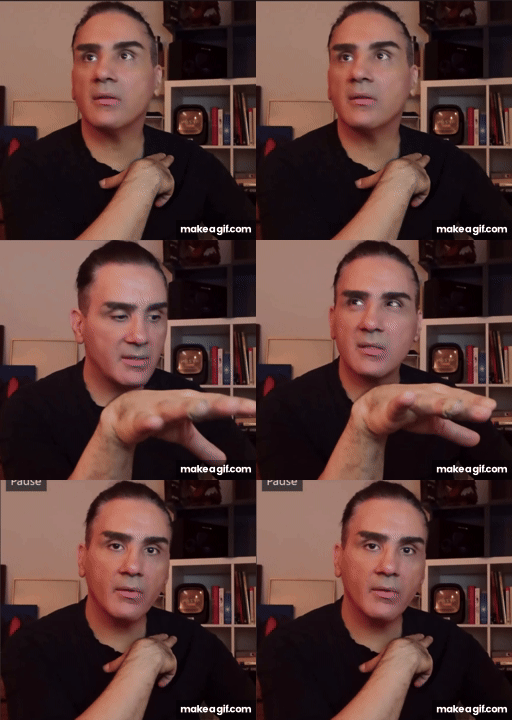
Manfred Zak
German, b. 1970Artist, Illustrator and Painter — Berlin & Brandenburg
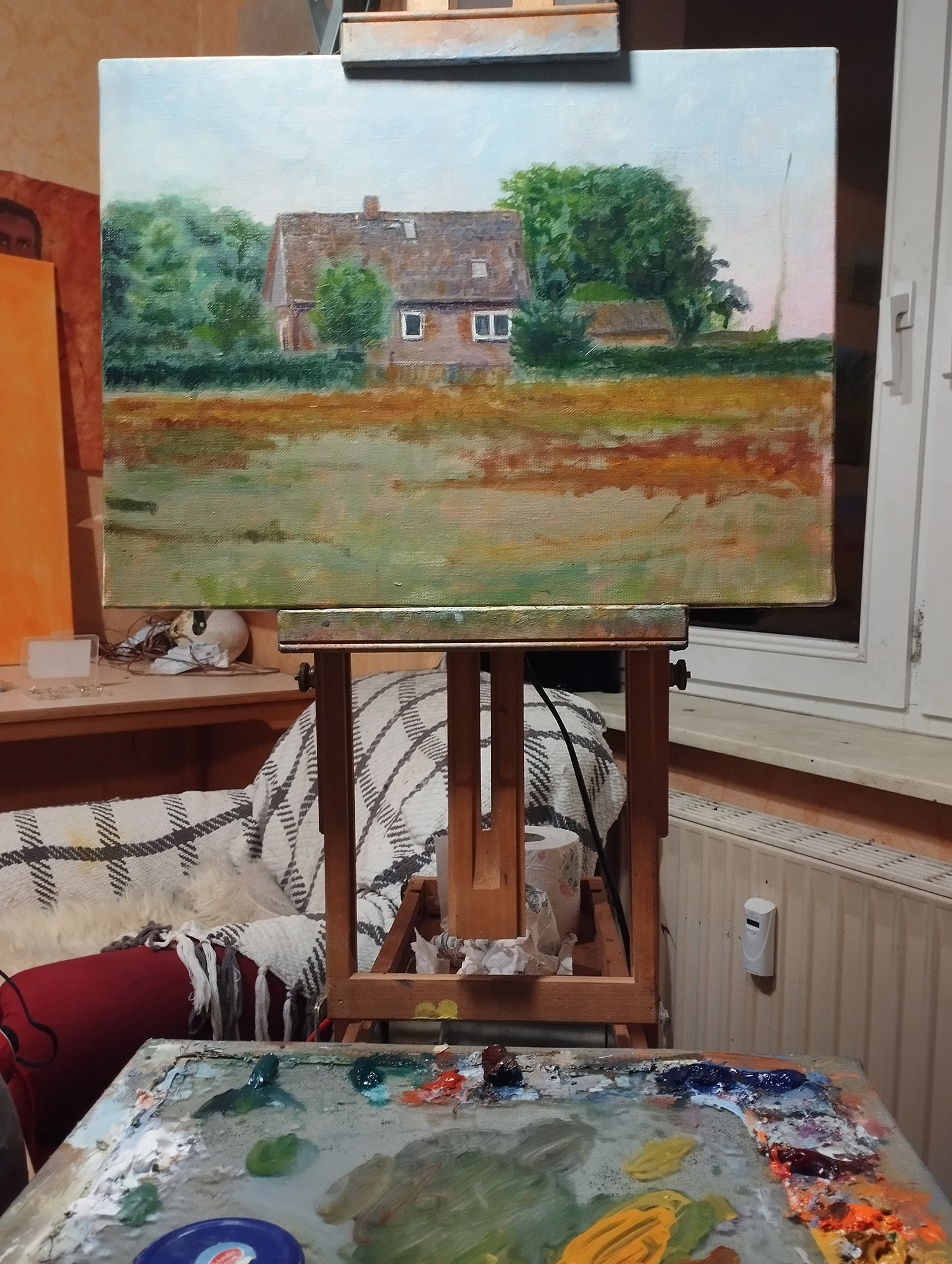
My relationship with painting began early. Inspired by a painter mentor in my youth, I grew up surrounded by images that shaped my perception and showed me that art can carry memory, atmosphere, and emotion long before one consciously understands it. From acquiring my first camera at fourteen, I learned through observation, through materials, and through the quiet discipline of looking carefully. Painting became less a craft for me than a way of thinking.
For more than two decades, I worked professionally at the intersection of classical art and digital media. As a high-end 3D artist and visualizer, my work continuously blurred the lines between analogue and digital processes. I pioneered workflows of translating physical paintings into animated art films, integrated drawing and ink into complex digital sequences, and explored the limits of computer-generated art forms. This technological journey eventually culminated in the creation of large-scale generative art projects and code-based art systems. Yet, despite mastering these digital complexities, the physical canvas always remained the true, unshakeable center of my work.
In recent years, as a conscious and radical response to the rise of automated, generative AI, I have returned almost entirely to the physical canvas. Living and working between Berlin and the Brandenburg countryside has confirmed something I always knew intuitively: painting is a necessary form of perception and engagement with the world. My technological DNA, however, still fuels my practice; I channeled my lifetime understanding of light and color science into developing ArtWingman—a specialized software suite that translates digital imagery into traditional Munsell color-mixing recipes for physical palettes.
My works are less concerned with concrete narratives than with atmosphere, memory, structure, and the emotional presence of landscapes and spaces. I am drawn to images that open slowly, that allow silence, and leave room for one's own associations. Today, I work across several ongoing series, surrounded by finished and unfinished canvases alike. Painting, for me, means attention, condensation, and discovery. It is the only language that has accompanied me throughout my entire life.
VITA / CV
- —Comprehensive return to traditional physical painting in response to generative AI.
- —Creator and developer of ArtWingman v1.0 (Munsell color metrics & palette mixing software for traditional painters).
- —Technical and artistic conceptualization of a 10,000-piece algorithmic fine-art collection using Houdini and Maya.
- —Engineering and deployment of native Ethereum smart contracts.
- —2005–2012: Intersection of analogue painting, photography, and digital film animation (scanning & post-processing).
- —2012–2021: High-end CGI, procedural shading, and complex visual pipelines for international corporations.
- —Practice-driven tech studies focused on digital art systems, visual media, and three-dimensional forms.
- —Lifelong practice in painting and photography (acquired first camera at age 14).
- —Early mentorship and deep artistic guidance in classical painting.
How I Work
… and why I work this way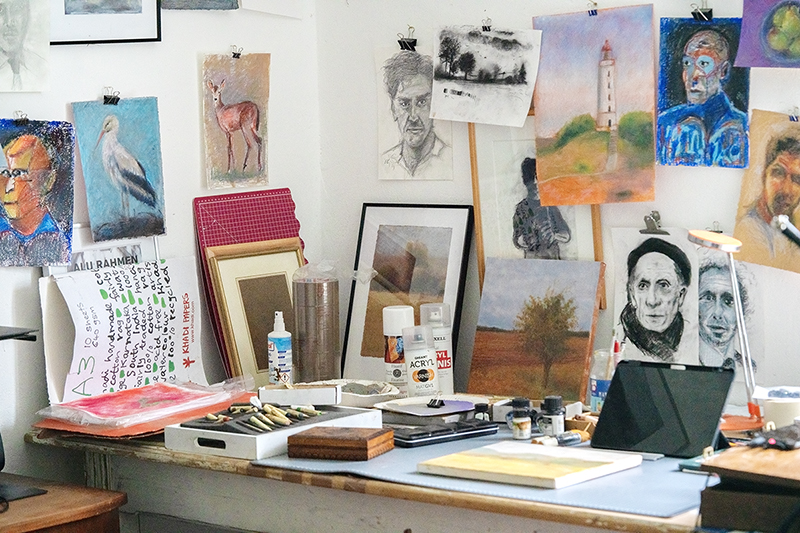
I learned early on that freedom in painting depends on postponing certainty for as long as possible. I try not to commit too soon to details or fixed decisions. Instead, I work from the whole image outward, allowing the painting to evolve gradually and reveal its own direction over time.
Because of this, I rarely begin with small details. I concentrate first on structure, rhythm, atmosphere, and balance, keeping every part of the canvas alive and open to change. Details can emerge later, once the painting has found its internal weight.
Oil painting gives me exactly this freedom. It remains fluid, adaptable, and forgiving. With broad brushes, palette knives, cloths, and layered surfaces, I can constantly shift emphasis, erase, rebuild, soften, or intensify areas of the image. Nothing is ever entirely fixed.
For me, a painting is not constructed mechanically. It grows. Sometimes slowly, sometimes violently, sometimes over months. I work until the image begins to carry its own presence, independent of intention or explanation.
What interests me most is not perfection, but vitality: the moment when a painting starts to breathe on its own.